If an AI Agent Signs a Contract, Who Is Legally Responsible?
Read More
India’s Central Bank Proposes Stricter Rules for Loan-Recovery Agents: A Regulatory Law and Policy Analysis
By the SolvLegal Team
Published on: Feb. 16, 2026, 12:45 p.m.
Introduction
The recovery of loans stands at a critical point which affects both financial control and the dignity of individuals. The recovery of dues which lenders need to perform for credit stability and financial system health has generated multiple ethical and legal issues together with reputation threats throughout India's banking industry because lenders have used aggressive methods to collect their debts. The retail credit market and digital lending platforms and non-bank financial intermediaries have raised these issues which led to the need for regulatory action.
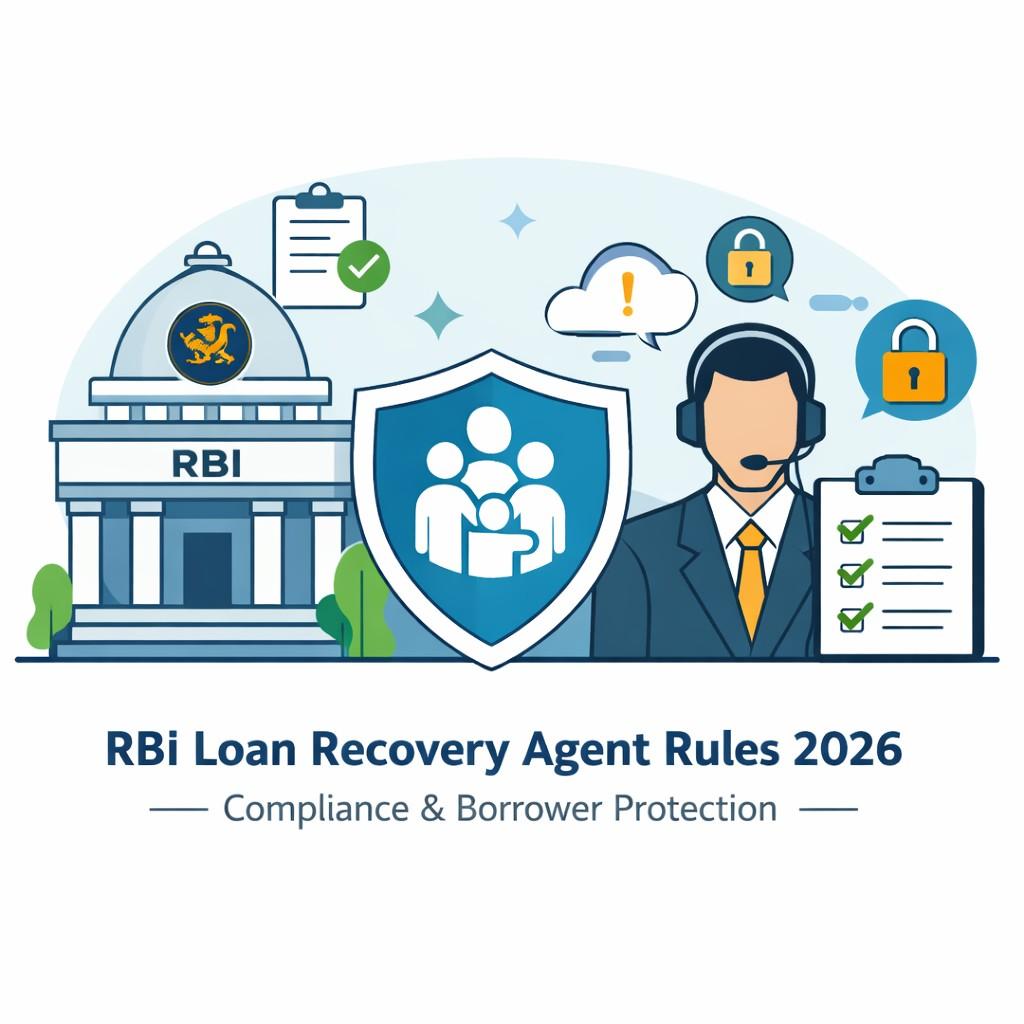
The Reserve Bank of India (RBI) published draft directions in February 2026 which outlined a complete regulatory system to guide loan-recovery agents and the regulated entities who hire them. The proposed standards require financial institutions to protect borrower information while their employees and recovery agents receive proper training and the institution takes responsibility for its debt collection methods. The initiative represents a regulatory practice change which centers on consumer rights protection while it aligns with international financial governance trends which emphasize equitable treatment and transparent operations and responsible lending practices.
This blog examines the proposed framework through a regulatory law and policy lens, analysing its evolution, key features, compliance implications, comparative context, and potential challenges.
Evolution of Loan Recovery Regulation in India
Regulation of loan recovery in India has evolved incrementally in response to both market expansion and judicial scrutiny. The previous guidelines from the Reserve Bank of India mandated that banks and financial institutions must conduct their recovery activities according to legal standards while treating borrowers with dignity. The guidelines prohibited lenders from using intimidation and harassment and public humiliation methods against borrowers while they required lenders to accept responsibility for the actions of their third-party collection agents.
Judicial pronouncements have further shaped this regulatory trajectory. The Indian court system has established that financial institutions must not use violent methods or illegal pressure to collect outstanding debts. The courts established that legal rights and financial rights must be protected through proper legal procedures which especially focus on repossession and debt-collection cases. The current protection measures failed to stop the expansion of outsourcing recovery agencies and fintech lending partnerships and informal recovery methods because these practices created unregulated areas. Fragmented guidelines, inconsistent enforcement, and technological developments necessitated a consolidated regulatory framework. The RBI’s 2026 draft directions seek to address these issues by harmonizing earlier instructions and introducing clearer standards for loan recovery agents.
Key Features of the Proposed RBI Draft Directions
The proposed framework introduces several noted reforms which aim to professionalize debt recovery methods while developing stronger consumer protection measures. The system requires recovery agents to complete official training programs and receive certification before starting their work. Lenders must ensure that agents undergo structured training programmes such as those offered by recognized banking institutes before engaging in recovery activities. The system requires recovery agents to handle their work as professionals because they must acquire knowledge about legal limits and ethical norms and communication standards.
The draft directions establish data privacy requirements which must be followed by all member organizations. Recovery agents must receive only essential borrower information which they need to carry out their recovery operations. The guidelines establish restrictions on contacting borrowers' family members and friends and people who do not belong to their social circle to protect their personal space and prevent damage to their social standing.
The organization implements new communication protocols which improve contact methods between people. Recovery interactions must remain civil and respectful, with prohibitions on abusive language, coercive behaviour, or harassment. The organization permits recording of all calls and interactions for monitoring purposes, which includes rules preventing agents from reaching out to borrowers during certain times. Lenders need to create official recovery behavior codes which they use to manage their agents' recovery activities. The codes establish standards for ethical behavior which include systems for handling complaints and methods to supervise compliance. The provisions establish standard procedures for financial institutions to follow during recovery operations which include bringing financial institutions into the process of monitoring their recovery activities instead of just evaluating their agents.
Borrower Protection and Privacy Considerations
The RBI proposed framework establishes a new regulatory system which focuses on protecting borrowers as its central principle. The financial system must safeguard consumer rights because retail credit markets are growing and new customers enter formal banking through financial inclusion programs.
Privacy considerations are especially significant in the context of modern lending ecosystems. Digital lending platforms collect extensive personal data which creates problems for data protection and leads to surveillance and reputational risks during recovery procedures. The draft norms establishes rules through their information disclosure limits and their requirement for respectful communication because informational privacy holds importance in financial transactions.
Coercive recovery practices can lead to financial distress which results in reputational harm and mental health issues. The regulatory system requires people to treat others with dignity and respect because these values fulfill both legal requirements and social economic needs.
The proposed framework aligns with emerging global regulatory principles emphasizing fairness, transparency, and respect for vulnerable borrowers, indicating convergence between Indian financial regulation and international consumer-protection standards.
Compliance Obligations on Regulated Entities
The draft directions establish their primary definition through their requirement that institutions maintain accountability for their actions. The framework holds banks and non-bank financial companies and other regulated entities as their primary responsible parties instead of treating recovery agents as separate independent entities. Organizations need to create thorough policies which control their processes for recovering loans and working with agents and repossessing security. The policies must establish procedures for due diligence which will be used to choose agents and define the training needs and monitoring practices and the processes to handle complaints.
The draft directions state that recovery actions must stop until all borrower complaints have been fully resolved. This process implementation strengthens fairness principles because it requires institutions to solve existing complaints before they start collecting debts. The lenders need to ensure that they follow telecommunications rules which control their business communications because this area now combines financial regulations with data protection laws and communication regulations. The compliance requirements will make operations more complicated but they will help decrease the risks of damage to reputation and legal problems and regulatory fines.
Regulatory Impact Assessment
The proposed norms are likely to have multifaceted impacts on India’s financial sector. The implementation of standardized recovery practices will create better trust between consumers and formal lending institutions. The existence of ethical recovery processes will lead to more people joining formal credit markets which help financial inclusion efforts. Financial institutions will benefit from better transparency and accountability because it helps them avoid legal issues and protects their reputation.
The compliance costs for NBFCs and fintech lenders and smaller financial institutions will increase which creates financial challenges for these organizations. The organization needs to allocate resources for training purposes and infrastructure monitoring and call recording systems and advanced data-protection measures. Digital lenders may face additional complexity due to multi-layered partnerships involving fintech platforms, NBFCs, and outsourced service providers. Ensuring consistent compliance across these ecosystems will require robust governance frameworks. The short-term costs for compliance will be outweighed by long-term benefits which stem from better consumer trust but the success of this process depends on how well it gets implemented.
Comparative Regulatory Perspective
Debt-collection regulation across different countries combines statutory consumer-protection laws with financial regulatory supervision. The United States federal law prohibits harassment while requiring collection agencies to disclose their records, and it enables borrowers to seek legal protection against abusive collection methods.
The United Kingdom's regulatory framework requires financial institutions to treat all customers, especially their most vulnerable clients, according to established standards for customer service. European regulatory bodies develop debt-collection standards through their consumer-credit regulations which require companies to follow transparency requirements and maintain equitable treatment of consumers while implementing appropriate measures. India's proposed framework shares multiple features with international frameworks because it prioritizes borrower dignity while providing privacy protection and institutional accountability.
The successful implementation of these principles depends on the development of enforcement mechanisms and the establishment of effective regulatory collaboration. The research produces evidence that effective debt collection regulation needs three components which include strong supervisory authority, consumer education together, and functional complaint handling systems.
Challenges and Implementation Concerns
The proposed framework which supports progressive development requires multiple implementation solutions to overcome its current implementation challenges. The process of monitoring recovery agents who operate in different geographic locations creates several operational challenges. Organizations under regulation need three essential components for effective supervision which include technological systems, reporting tools and their complete institutional support. The quick development of digital lending systems creates additional problems for the industry.
The presence of multiple lending parties who involve fintech platforms and NBFCs and service providers creates problems for organizations to establish accountability systems. The distribution of duties between parties involved needs to be clearly defined. Data protection integration faces obstacles which need to be addressed. Financial privacy laws need to establish connections between general data governance systems to prevent regulatory conflicts and inconsistencies. The success of the framework depends on how enforcement activities will be carried out. The implementation of guidelines needs proper supervisory measures to achieve practical results because even the best guidelines will not function without them.
Conclusion
The RBI's proposed 2026 loan-recovery agent regulations will create a major shift in India's financial system regulations. The draft framework demonstrates an advanced regulatory system which protects consumer rights through privacy and institutional accountability while establishing professional standards for recovery agents and maintaining credit discipline. These regulations have the potential to enhance public confidence in India's formal credit system while decreasing abusive debt collection methods and bringing domestic laws into compliance with international standards.
The success of a program depends on how well its enforcement system functions plus the ability of institutions to handle new technology and market shifts. Ethical debt recovery functions as a compliance requirement which supports financial systems that achieve long-term success. The RBI's proposed reforms create a crucial foundation for establishing fairness and transparency in the Indian credit system which continues to develop.
Frequently Asked Questions (FAQs)
1. What are the new RBI rules for loan recovery agents in India (2026)?
The Reserve Bank of India (RBI) has proposed stricter guidelines requiring banks and NBFCs to ensure professional conduct by loan recovery agents. These include mandatory training and certification, limits on sharing borrower personal data, recording recovery calls, respectful communication standards, and institutional accountability for recovery practices. The goal is to prevent harassment and improve transparency in debt recovery.
2. How do RBI’s proposed recovery agent guidelines protect borrower privacy?
The draft RBI directions restrict lenders from sharing excessive borrower information with recovery agents and discourage contacting relatives or third parties. Agents must maintain confidentiality, interact civilly, and avoid intrusive communication methods. These safeguards align with emerging data privacy norms in India’s financial sector.
3. Will banks and NBFCs be responsible for the conduct of recovery agents?
Yes. Under the proposed framework, regulated entities such as banks and NBFCs remain fully accountable for the actions of their recovery agents. Institutions must conduct due diligence, provide training, monitor agent conduct, implement grievance redressal systems, and ensure ethical debt recovery practices.
4. How will the RBI’s new loan recovery rules impact digital lenders and fintech companies?
Digital lenders and fintech-linked NBFCs may face higher compliance obligations, including stricter data governance, monitoring of outsourced recovery partners, and enhanced consumer protection measures. While compliance costs may increase, the rules are expected to improve borrower trust and financial sector credibility.
5. Why is RBI strengthening regulations on debt recovery practices in India?
The RBI aims to curb coercive loan recovery practices, protect borrower dignity, and ensure responsible lending as retail credit and digital finance expand. Strengthening regulatory oversight promotes ethical debt collection, reduces reputational risks for lenders, and supports long-term financial stability.
Author
Priyansh Tiwari is a 2nd year law student at Maharashtra National Law University Chhatrapati Sambhajinagar, currently interning at SolvLegal.
Reviewed by:
This blog was reviewed by Rakshika Bajpai, a corporate lawyer specialising in IPR, contract drafting, and compliance advisory. She is a technology-driven legal professional focusing on corporate compliance and data-privacy frameworks at SolvLegal. Her work spans IT law and cross-border regulatory matters, and she supports businesses in protecting their innovations and strengthening their legal and compliance structures.

Related Articles
Leave a Comment