Software Development Delays and Refund Claims in India: What the Law Actually Says
Read More
DPDP Compliance for D2C Brands Using Meta Ads & Shopify: Turning Privacy into a Business Advantage
By the SolvLegal Team
Published on: May 17, 2026, 12:04 p.m.
Executive Summary
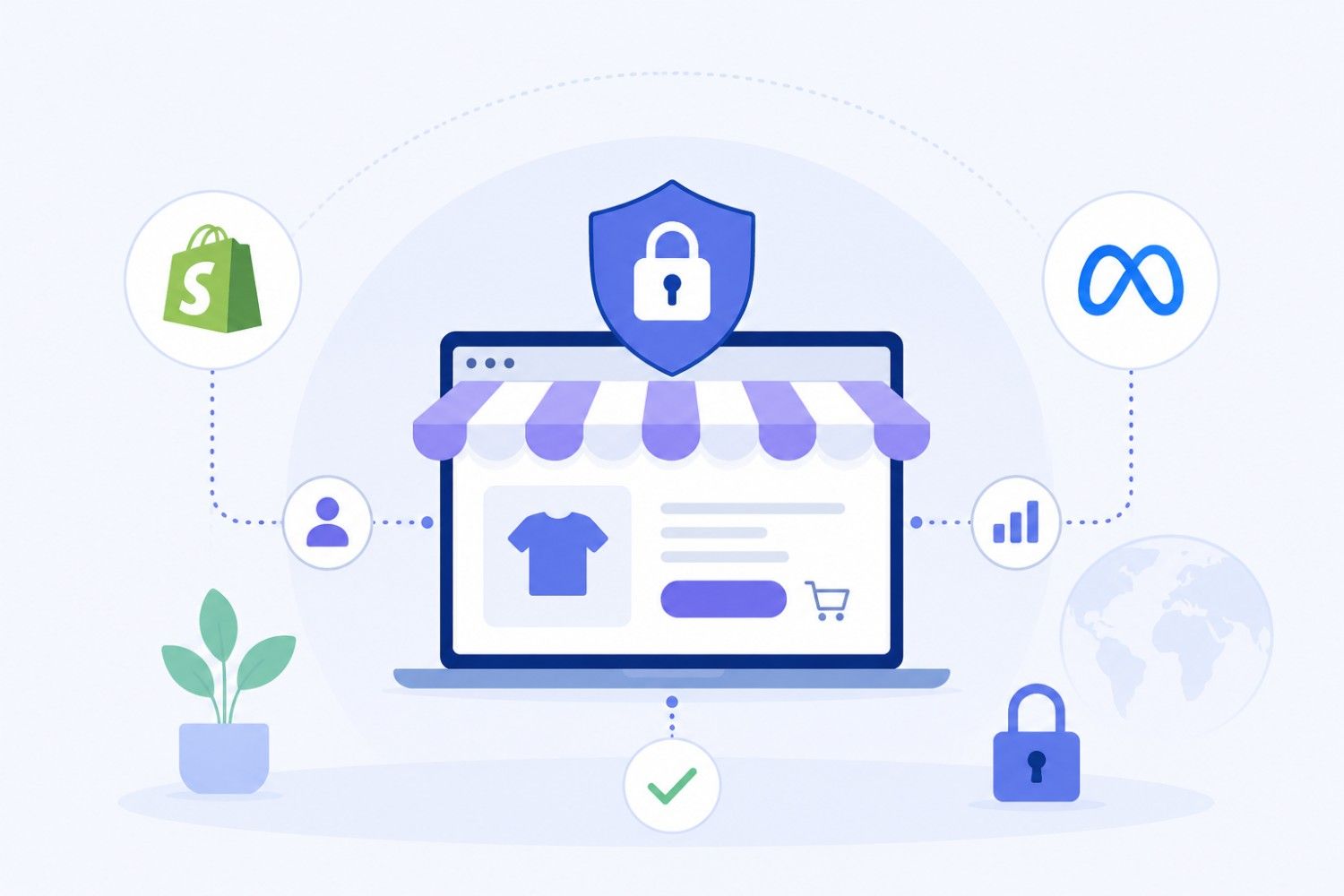
India’s Digital Personal Data Protection Act 2023 and the DPDP Rules 2025 turned customer data into a regulated asset when the government officially notified them on 13 November 2025. For Direct‑to‑Consumer (D2C) brands running on Shopify and acquiring customers through Meta Ads, the way you collect, process and share personal data is now subject to strict rules. These brands qualify as data fiduciaries because they decide why and how data is processed. Key obligations include two‑stage breach notification, keeping processing logs for at least one year, resolving grievances within a defined period and planning for a phased implementation timeline. The government has adopted a blacklist approach for cross‑border transfers, so data flows remain unrestricted by default today. A child is anyone under 18 and parental or guardian consent is mandatory. Notices and consents must be available in English and any of the 22 languages recognised in the Constitution. Treat DPDP compliance as an opportunity to build customer trust and to future‑proof your growth rather than as a legal afterthought[1][2].
Why This Matters for D2C
The Indian D2C market has exploded over the last few years. Start‑ups sell skincare, gadgets, clothing and artisanal food directly to consumers through Shopify stores, mobile apps and social media. Growth has been fuelled by data‑driven advertising on Meta platforms and granular analytics that track every click and conversion. Personal data is the fuel for acquisition, retargeting and lifetime‑value optimisation. But under DPDP, that fuel is regulated. Your brand is responsible for how you collect and use data, even if a third‑party platform performs the processing. Liability follows control: if you decide to install Meta Pixel, upload customer contact lists or analyse behavioural signals, you carry the legal burden. Penalties for ignoring security and breach‑notification duties are severe and non‑compliance threatens not only fines but also reputational damage in a competitive market where consumer trust is fragile.
The Hidden Legal Shift
DPDP represents more than a set of compliance checkboxes, it is a structural shift in how businesses must think about data.
Your customers’ information is no longer just a marketing asset; it is a subject of enforceable rights. Individuals can demand access, correction and erasure of their data.
They can nominate another person to exercise their rights if they die or become incapacitated, and they must be able to withdraw consent as easily as they gave it.
These requirements mean you cannot bury consent language in a lengthy terms‑of‑use or rely on a generic cookie banner. You need purpose‑specific consents, separate controls for operational and marketing uses, and transparent logs that prove compliance.
Furthermore, the blacklist approach to cross‑border transfers means the government could restrict data flows to certain jurisdictions at any time, forcing brands to restructure their infrastructure and vendor relationships.
The law is a wake‑up call: data is not just a resource; it is a liability if mismanaged.
How D2C Models Use Data and Why That Creates Risk
Consider a typical D2C skincare brand. It collects names, addresses and payment details at checkout. It installs Meta Pixel to track browsing behaviour and retarget users who abandon carts. It sends personalised emails and text messages through a marketing automation tool. Each of these actions generates digital personal data that passes through Shopify servers, Meta’s advertising ecosystem, payment gateways and analytics providers. Much of this data leaves India and is stored in servers abroad. Under DPDP, you must map these data flows, understand which vendors process what information, and ensure that every transfer has a legal basis. The more complex your tech stack, the greater your exposure to breach risks, regulatory penalties and investor scrutiny. Dependency on a single foreign region is a structural risk if the government blacklists that region, your operations could grind to a halt.
Typical D2C Data Flow Architecture
A simplified illustration of how customer data moves across the core components of a modern D2C stack. Key touch points highlight consent collection, cross‑border transfers, vendor exposure and retention risk.

Where Most Brands Will Fail
D2C founders are obsessed with growth metrics. It is tempting to treat privacy compliance as a checkbox exercise or to assume that vendors will cover your legal obligations. Here are three common misconceptions that can lead to expensive mistakes:
1. “Our partners carry the liability.” Many sellers believe logistics or payment partners are the primary data fiduciary. In reality, liability follows control. If you decide why data is collected for checkout, marketing or analytics, you are the data fiduciary.
2. “Shopify and Meta are data fiduciary, we’re just users.” Platforms like Shopify and Meta act as processors, but your brand determines the purposes of data collection. You must ensure your contracts with them include DPDP‑compliant clauses and cross‑border safeguards.
3. “A single cookie banner solves everything.” DPDP requires separate consent for order fulfilment and marketing. You need equal “accept” and “reject” options, the ability to withdraw consent at any time, and purpose‑level logs that demonstrate which consents were obtained for which activities. A generic pop‑up will not suffice.
Failing to internalise these realities will expose your brand to regulatory action and reputational harm. The most common failure points are not technical; they are strategic blind spots.
Why Growth Mindsets Resist Privacy
For many founders and growth marketers, the instinct is to maximise data collection and minimise friction in the buying journey. Pop‑ups, pixels and look‑alike audiences drive acquisition, so compliance can feel like an obstacle. But DPDP changes the calculus. Growth tactics that ignore consent bundling marketing opt‑ins with checkout or harvesting email addresses for remarketing without clear disclosure become liabilities. There is also a behavioural dimension: teams accustomed to seeing data as a “free resource” must now confront the reality that every unnecessary data point collected is a potential cost, not a hidden asset. Effective leaders will realign incentives, linking privacy compliance to performance metrics, and frame consent not as a barrier but as part of the customer experience. Brands that get this right will discover that trust reduces churn and increases repeat purchases, and that first‑party relationships built on respect yield better margins than third‑party targeting.
With these misconceptions and behavioural biases in mind, let us turn to the law itself and distil the core obligations you need to meet.
The principle that liability follows control is defined clearly in the DPDP Act[3].
Key DPDP Obligations Simplified
Instead of drowning in legal jargon, focus on these core obligations:
1. Purpose‑Specific Consent
You must obtain free, specific and informed consent for every distinct purpose. Consent cannot be bundled or implied. A customer can allow you to process their address for delivery but reject marketing emails. Withdrawal of consent must be as easy as giving it. Notices and consent prompts should be presented in English and any of the 22 scheduled languages to ensure people can understand them.
2. Transparency and Individual Rights
Provide a clear privacy notice describing what data you collect, why you collect it, how long you store it and how individuals can exercise their rights. Build self‑service portals for access, correction and erasure. Allow users to nominate another person to act on their behalf in case of death or incapacity. Respond to grievances and requests within a reasonable time frame.
3. Security Safeguards and Breach Reporting
Implement encryption, role‑based access controls, vendor audits and regular security testing. Maintain detailed logs of access and processing activities for at least one year. In the event of a breach, notify the Data Protection Board promptly and inform affected individuals within the statutory window. Have a breach‑response playbook to manage investigations and communications.
4. Children’s Data
If your products target minors (toys, games, education), you must treat anyone under 18 as a child. Obtain verifiable consent from a parent or guardian and avoid behavioural advertising or profiling of children.
5. Cross‑Border Transfers and Vendor Management
Map all cross‑border data flows. Under the DPDP blacklist regime, cross‑border transfers are permitted by default unless the government prohibits them. Nonetheless, ensure your contracts with Shopify, Meta and other vendors include clauses that enable you to end transfers quickly if a region becomes restricted. Conduct Data Protection Impact Assessments and adopt encryption, anonymisation and multi‑region data strategies.
6. Significant Data Fiduciaries
Large processors may be designated Significant Data Fiduciaries (SDFs), triggering additional duties such as appointing a Data Protection Officer and conducting regular Data Protection Impact Assessments. The government has not yet notified numerical thresholds for this designation, so brands should monitor future notifications.
For statutory requirements on notice languages, security safeguards and children’s data, see the DPDP Act and Rules[4][2][5]. For the phased implementation timeline – rules 1, 2 and 17–21 came into force on publication while rules 3, 5–16, 22 and 23 take effect 18 months later – see the official Gazette[6].
Meta & Shopify: The Risk Architecture
Meta and Shopify enable incredible growth but they also create concentration risk. Most D2C brands depend on a single ad platform for acquisition and a single e‑commerce platform for transactions. Think of your data flows like shipping lanes: a government blacklist is like a port closure that can disrupt your supply chain overnight. This centralisation means any legal, technical or geopolitical shock can cripple your business. You cannot simply “turn off” Meta Ads without sacrificing revenue, and you cannot instantly migrate away from Shopify if cross‑border rules change. The DPDP’s blacklist regime allows the government to restrict transfers to specific jurisdictions, meaning your data flows could be disrupted overnight. A robust strategy therefore requires negotiating strong Data Processing Agreements with these platforms, investing in your own first‑party data infrastructure (loyalty programs, membership clubs, community engagement) to reduce dependence on third‑party tracking, diversifying hosting across regions and cloud providers, and building contingency plans for regional restrictions or service interruptions.
Investor, Enterprise & Vendor Implications
DPDP compliance is already appearing in due‑diligence checklists. Investors, venture funds and potential acquirers increasingly ask for evidence that a brand understands its data liabilities. Expect requests for data‑flow maps, privacy assessments, breach‑response plans and proof that consents have been collected properly. A company that cannot answer these questions may see its valuation discounted or its transaction delayed.
Enterprise buyers and marketplaces are also raising the bar. Many procurement teams now require suppliers to provide DPDP compliance attestations and to demonstrate that personal data is handled lawfully. If you hope to sell through major platforms or partner with global brands, you will need documented policies, responsive grievance channels and contract terms that allocate data‑protection obligations fairly.
Finally, recognise that your vendors are part of your risk surface. Payment gateways, logistics providers, marketing agencies and analytics tools each handle fragments of customer data. A breach or non‑compliance by one of these partners can cascade liability back to you. Conduct vendor diligence, negotiate indemnities, and audit your partners’ compliance. A mature privacy programme is therefore not just about avoiding fines it can unlock partnerships, improve valuations and strengthen your negotiating power.
Implementation Planning
Think of your compliance programme as building a privacy‑first house: you need a blueprint, a solid foundation and regular maintenance. The blueprint is a map of all your data touchpoints, the foundation is a contract framework and purpose‑specific consents, and the maintenance is continuous monitoring, logging and security.
DPDP compliance is not a tick‑box exercise but a programme of continuous governance. Start by mapping every data touchpoint from checkout and marketing funnels to analytics scripts and vendor integrations. Understand what personal data you collect, where it is stored and who can access it. Review your contracts with Shopify, Meta and other service providers to ensure they contain strong data‑processing clauses and exit provisions if jurisdictions become restricted.
Next, rethink your consent and notice architecture. Build purpose‑specific opt‑ins with equal accept/reject choices and one‑click withdrawals. Deliver privacy notices in English and the scheduled Indian languages so users can understand their rights. Prepare to integrate with a registered Consent Manager when the ecosystem opens in November 2026 by adopting immutable logging and automated consent flows.
Then, strengthen your security posture. Invest in encryption, role‑based access controls and regular testing, and develop a breach‑response playbook so you can notify regulators and customers promptly if something goes wrong. Maintain detailed logs for at least a year to demonstrate compliance.
Finally, govern retention and third‑party risk. Set clear schedules for deleting data you no longer need, provide self‑service portals for access, correction, erasure and the nomination of representatives, and audit your vendors. Appoint a privacy champion or Data Protection Officer to monitor regulatory changes and lead continuous compliance.
Who Should Prioritize DPDP Compliance First?
Not every D2C company faces the same urgency. The following types of businesses should treat compliance as an immediate priority:
· Brands that rely heavily on behavioural tracking tools such as Meta Pixel or other advanced analytics for customer acquisition.
· Businesses targeting or attracting minors, where parental consent requirements are strict and behavioural advertising is restricted.
· Companies processing large volumes of personal data across multiple services or jurisdictions.
· Firms with an international customer base that routinely export personal data overseas.
· Start‑ups preparing for fundraising, mergers or acquisitions, where privacy due diligence will impact valuation.
· Subscription models or retention‑heavy businesses that depend on long‑term data to drive growth.
Likely Early Enforcement Focus Areas
Regulators are expected to pay particular attention to a handful of practices when the DPDP is first enforced:
· Children’s data and behavioural advertising — compliance with under‑18 consent and restrictions on profiling and behavioural targeting.
· Dark‑pattern consent — deceptive designs that trick users into agreeing to marketing or tracking without a clear choice.
· Data breaches and breach response — preparedness to detect, report and mitigate incidents within 72 hours under Section 8(6) of the Act and Rule 7 of the Rules.
· Grievance redress and data rights — responsiveness to access, correction and erasure requests and the ability to nominate representatives within the statutory timeline.
· Vendor governance and cross‑border transfers — due diligence on processors and the capability to quickly stop transfers if jurisdictions become restricted.
· Retention and deletion practices — adherence to documented retention schedules and timely erasure of data once the purpose is fulfilled.
Strategic FAQs
Can small D2C brands ignore DPDP?
No. Even small brands qualify as data fiduciaries if they determine how and why personal data is processed. The obligations apply irrespective of size, although enforcement priorities may vary.
Is Shopify responsible for compliance on my behalf?
Shopify acts as a processor. Your brand, as the data fiduciary, must ensure that contracts with Shopify contain DPDP‑compliant clauses and that you implement purpose‑specific consents and notices.
Can I continue using Meta Pixel for remarketing?
Yes, provided you obtain valid, purpose‑specific consent and offer an easy way for users to withdraw. Avoid bundling marketing consent with checkout or hiding it in terms and conditions.
Does DPDP impose data localisation requirements?
No explicit localisation mandate exists. The law adopts a blacklist approach to cross‑border transfers, allowing data to flow unless the government restricts transfers to specific countries.
What happens if one of my vendors has a data breach?
You remain responsible for notifying the Board and affected individuals and for ensuring your contracts allocate liability and require vendors to meet DPDP standards. Vendor audits and clear indemnities are essential.
How will DPDP affect fundraising or acquisitions?
Investors and buyers increasingly ask for proof of data‑protection compliance. Weak privacy practices can delay deals or reduce valuations, while strong programmes can become a competitive advantage.
Is privacy compliance a competitive advantage or just a cost centre?
It is both. In the short term, there is a cost to build consent architecture, logging and governance. In the long run, data protection becomes a trust premium that increases customer loyalty and reduces operational surprises.
Conclusion: Privacy as a Competitive Advantage
DPDP compliance is not merely a legal hurdle; it is an opportunity to reshape your business model. The introduction of enforceable data rights will quietly restructure the economics of digital customer acquisition. Brands that continue to treat consent as a footnote risk being blindsided when regulators, investors or partners demand proof of compliance. Those that embrace the change early will discover that privacy can become a trust premium: customers will stay longer, refer friends more readily and forgive mistakes more easily if they feel respected. At the same time, a well‑run privacy programme reduces operational surprises, eases fundraising and expands B2B opportunities. The most successful D2C brands will realise that data protection is not an obstacle to growth but a foundation for sustainable, resilient success.
Key Statutory References
To anchor your analysis in the primary legal texts, refer to the following statutes and notifications:
· Digital Personal Data Protection Act 2023 (Act No. 22 of 2023) — Gazette of India, Extraordinary, Part II, Section 1, No. 25 (11 August 2023). This is the parent statute governing personal data protection in India.
· Digital Personal Data Protection Rules 2025 — Notification No. G.S.R. 846(E) (13 November 2025). This notification formally brought the Rules into force and sets out the phased commencement schedule.
· Notice & Consent Obligations — Sections 5 and 6 of the DPDP Act, read with Rules 3 and 5 of the DPDP Rules. These provisions require purpose‑specific notices and consents and mandate that withdrawal be as easy as grant.
· Breach Notification Obligations — Section 8(6) of the Act and Rule 7 of the DPDP Rules. Together they create a two‑stage breach notification duty (notify the Board and then affected individuals) with a 72‑hour window.
· Log Retention — Rules 6(7) and 8(3) of the DPDP Rules. These rules require you to retain processing and access logs for at least one year.
· Children’s Data — Section 9 of the Act and Rules 10 and 11 of the DPDP Rules. They define a child as anyone under 18 and require verifiable parental or guardian consent while prohibiting behavioural profiling of children.
· Significant Data Fiduciaries — Section 10 of the Act. This section empowers the government to designate certain entities as Significant Data Fiduciaries and impose additional obligations on them.
ABOUT AUTHOR
Gaurav Saxena is the Founding Partner of SolvLegal Law Offices LLP, with over 14 years of experience advising startups, technology companies, and global businesses on commercial, technology, intellectual property, and regulatory matters. He focuses on delivering practical, business-oriented legal solutions for companies operating in fast-evolving digital and cross-border environments.
DISCLAIMER
The information provided in this article is for general educational purposes and does not constitute a legal advice. Readers are encouraged to seek professional counsel before acting on any information herein. SolvLegal and the author disclaim any liability arising from reliance on this content.
[1] [2] [5] DPDP Rules 2025: India’s Complete Compliance Guide | Seclore
https://www.seclore.com/fundamentals/dpdp-rules-2025-compliance-guide/
[3] DPDP Compliance for E-commerce Platforms
https://www.privacyglobal.org/blog/dpdp-compliance-for-ecommerce
[4] India DPDP Act 2023
[6] 53450e6e5dc0bfa85ebd78686cadad39.pdf
https://www.meity.gov.in/static/uploads/2025/11/53450e6e5dc0bfa85ebd78686cadad39.pdf

Related Articles
Leave a Comment